Shopify vs BigCommerce: Which Platform Should You Pick

You might have spent hours trying to find a clear, unbiased answer to the most asked question: which one is better between Shopify and BigCommerce? 

The truth is, both platforms are phenomenal. If we look at the annual revenue generated by Shopify in 2024, it was $9 billion. Whereas BigCommerce hit $310 million in 2023. That’s huge!

Both the eCommerce platforms handle inventory, process payments, and run storefronts better than anything we had a decade ago. But still, why does the decision cause so much ambiguity? 

Because it’s not about the features they have; it’s about the strategic, operational, and financial approaches they force your business to adopt.

Many businesses start well, but they fail after picking the wrong platform, which ultimately breaks the bank. But when you strategically pick your ecommerce development platform, you can build an ecommerce store that grows and scales flawlessly. 

In this comprehensive guide, we’ll offer an in-depth comparison of Shopify and BigCommerce to help you pick the right platform to build your ecommerce website. Let’s get rid of your dilemma. 

Key Takeaways:
Considering user experience and ease of use, Shopify definitely has an edge over BigCommerce. Shopify is well-suited for startups and small businesses that need a quick setup and a faster launch. BigCommerce is suitable for large businesses that need complex stores with advanced functionality.If you prioritize value, speed, and other predictable experiences, you should definitely go with Shopify.If you want to leverage advanced built-in features for your business and want better control over the API access, BigCommerce is an ideal choice. Now, both platforms’ tier pricing starts around $29/month, but their fees differ (BigCommerce is usually expensive).

What Is Shopify?

Shopify is a cloud-based ecommerce platform where entrepreneurs and businesses can sell online or in person. From developing your first-ever ecommerce website to maintaining an existing retail business, Shopify handles it all without breaking a sweat.  

It is one of the most popular ecommerce development platforms today and offers a rich set of tools and features like the drag-and-drop store editor, Shopify POS, free and paid themes, inventory and order management, secure integrated payments, AI-driven personalization, etc. 

These tools and features work together as a system that helps you set up a store in minutes and sell products anywhere. 

Shopify is ideal for:

  • Startups and small enterprises
  • Retail businesses
  • Large enterprises with scalable demand
  • Subscription-based product services 
ProsCons
User-friendly interfaceLimited core customization
Robust infrastructureApp dependency
Vast ecosystemContent limitation
Highly scalableNo email hosting
All-in-one solutionRecurring costs add up
24*7 customer supportDifficulty with migration

What Is BigCommerce?

BigCommerce is a cloud-based ecommerce solution that provides a hosting platform for building and running an ecommerce business with less coding. BigCommerce has been one of the most reliable ecommerce solutions with a wide array of features such as a drag-and-drop page editor, 130+ payment options, AI-powered personalization, and the list goes on.

From payment processing, shipping, and product features to customization, BigCommerce incorporates all the elements that are necessary to create robust ecommerce sites with advanced functionality.

BigCommerce is ideal for:

  • Mid to large-sized organizations
  • Wholesale businesses or B2B sectors
  • Businesses that need powerful SEO features
  • Companies that want to expand their marketplace
ProsCons
Robust security & complianceLimited sales volume
Multi storefrontSteeper learning curve
Unlimited staff accountsLimited customization
No transaction fees requiredNo built-in email marketing
Built-in featuresManual tax setup
Excellent scalabilityBasic blog functionality

Shopify vs BigCommerce: A Quick Takeaway

ParameterShopifyBigCommerce
Ease of UseVery beginner-friendly; simple UISlightly more complex due to more built-in features
Design & Themes100+ modern themes; strong customization using Liquid150+ themes; customization through the Stencil framework
Built-in FeaturesGood essentials, but it relies heavily on appsMore native features, fewer apps needed
ScalabilityScales well, but advanced features may require appsExtremely scalable; ideal for large catalogs and enterprises
Learning CurveVery easy to learnModerate, especially for non-tech users
PaymentsShopify Payments + 100+ gateways; extra fee if not using Shopify Payments65+ gateways; no extra transaction fees
CustomizationEasy but app-dependentMore native customization options
PricingLower starting cost, but app costs add upSlightly higher price but more included features
Best ForBeginners, small businesses, simple storesGrowing brands, enterprises, and feature-heavy stores
CTA

A Detailed Comparison Between Shopify vs BigCommerce

Choosing between Shopify and BigCommerce isn’t about which is “better”—it’s about which architecture fits your growth trajectory. While both offer hosted convenience and multichannel reach, they solve different pain points.

Let’s have a look at a more in-depth comparison between BigCommerce and Shopify:

  1. Ease of Use

Choosing a winner depends on your priority: speed or power. Shopify is the “Beginner’s Dream.” It is the most intuitive choice for those with zero tech skills. Its clean dashboard and Shopify Magic (AI) handles product descriptions and setup with almost no effort. So, it offers tools that make launching in an afternoon easy.

BigCommerce is more complex because it packs advanced features—like B2B and multi-storefront tools—directly into the core. While its robust UI has a steeper learning curve, it includes everything “in the box.” Shopify is simpler initially but relies on expensive third-party apps. BigCommerce requires more setup time but eliminates the need to manage dozens of extra plugins and fees.

Who is the winner? If you want a faster launch more intuitive user experience, Shopify wins the game.

  1. Pricing

When it comes to comparing the pricing of Shopify and BigCommerce, it’s a tie with only a minor difference. However, both the ecommerce platforms have the same pricing, starting from $29 per month. 

Here is a cost breakdown along with some alterations:

FeaturesShopifyBigCommerce
Initial Price$29 per month$29 per month
Free TrialUp to 3 daysUp to 15 days
Hidden CostsThemes Fewer apps needed
Transaction Fees2% if not using Shopify paymentZero

Who is the winner? Clearly, BigCommerce is the most suitable option because it is cost-effective compared to Shopify. Most importantly, this ecommerce platform has a 15-day free trial period. 

  1. Themes & Design

When it comes to themes, Shopify really wins, but not for the reasons most people think. In the official store, you’ll actually find around 160 curated options, with premium price tags usually landing between $180 and $390. 

While BigCommerce offers a slightly higher count of official themes at nearly 190, Shopify leads in modern theme designs. And, they are famously mobile-first; everything from the cart drawers to the navigation feels like it was built for a smartphone from day one.

BigCommerce themes are robust and great for massive, heavy-duty catalogs, but their free options can feel a bit dated compared to Shopify’s sleek aesthetic. Shopify’s “Online Store 2.0” makes moving blocks and sections feel natural with an updated theme architecture. 

Who is the winner? When it comes to themes & design, Shopify seems to be winning the race because of its mobile responsiveness and modern themes. 

  1. Payment Gateways

When comparing payment gateways, the distinction comes down to cost versus convenience. Shopify pushes its in-house provider, Shopify Payments, which simplifies setup and includes solid fraud analysis tools. However, there is a catch: if you choose a third-party gateway like PayPal or Stripe instead, Shopify hits you with an extra transaction fee ranging from 0.5% to 2%. This “platform tax” can seriously eat into your margins as you scale.

BigCommerce takes a more flexible approach. It supports over 65 pre-integrated gateways without charging any additional transaction fees, regardless of your plan. This freedom allows you to negotiate better rates with your preferred provider and keep more of your profit.

Who is the winner? BigCommerce wins for flexibility and cost-efficiency. It gives you total freedom to use your preferred payment method without being penalized for not using an in-house system. 

  1. Security

Shopify offers a fortress-like, fully managed security environment. It is PCI DSS Level 1 compliant by default, meaning it meets the highest global standards for credit card data protection from the moment you sign up. 

Every store is automatically issued an SSL certificate, ensuring all data transmitted is encrypted via HTTPS. Because Shopify is a closed, hosted ecosystem, they handle the heavy lifting of server patches and vulnerability monitoring, leaving you with zero “security debt.”

BigCommerce provides an equally robust, multi-layered defense system. Like its rival, it is PCI DSS Level 1 certified across all its servers, providing enterprise-grade protection against data breaches. It also offers a variety of SSL options, including the ability to bring your own high-assurance certificate. 

BigCommerce excels in its transparent uptime and proactive mitigation of DDoS attacks. The platform is architected to ensure that as your traffic scales, your security protocols don’t lag behind.

Who is the winner? Both platforms are exceptional in terms of security features, and it’s a tie for BigCommerce vs Shopify. 

  1. Selling Features

Shopify is built for speed and accessibility. Its native toolset—including abandoned cart recovery, automated discount engines, and multi-channel synchronization—is designed for immediate deployment. You don’t need a developer to launch a complex promo. 

While its core features are robust, Shopify relies heavily on its App Store (thousands of vetted add-ons) to provide niche functionality. This “pick-and-mix” approach keeps the interface clean but can lead to monthly “app creep” in your billing.

BigCommerce takes a “built-in” philosophy. Its Channel Manager is arguably more powerful out of the box for enterprise-level multi-channel selling. It allows you to sync inventory and orders across eBay, Amazon, and Walmart without necessarily relying on third-party apps. 

BigCommerce often includes advanced features—like customer groups and wholesale pricing—in its core product, which Shopify typically hides behind “Plus” or third-party paid apps. 

Who is the winner? Well, it’s a tie between Shopify and BigCommerce on this point.   

  1. SEO Features

Shopify is considered the gold standard in terms of SEO that truly puts the user at the forefront. It has been designed to have a clean and unfussy workflow in which nontechnical founders can optimize meta tags, product descriptions, and URL structures in seconds.

It automates all of the under-the-hood technicalities, such as SSL certificates and sitemap generation, without manual effort.

BigCommerce is for those who want granular, “pro-level” SEO tools baked into the core engine. BigCommerce provides more technical flexibility than Shopify, with examples including the ability to change URL structures entirely and a more robust native blogging engine.

With this power, however, comes a more substantial learning curve: its interface is less intuitive, and if you don’t know your technical SEO, you may find yourself needing to hire a consultant or an agency to unlock its full potential.

Who wins? Taking this factor into consideration for the Shopify vs BigCommerce battle, Shopify would win with ease of implementation, and BigCommerce for advanced technical control.

  1. Customer Support

As soon as you sign up for a free trial, you’ll receive an appointment that will be a 10-minute call. The reason for doing so is to understand your business briefly and give suggestions accordingly. 

Shopify customer service provides support via their social media channels. If you ask for assistance in the Shopify editor, it will take you to the corresponding page in the Shopify knowledge centre.

Who is the winner? BigCommerce’s help centre is useful but less clear than Shopify’s. A more streamlined help centre organization and in-app guidance may give it a small advantage, making support issues easier to resolve for Shopify merchants.

Final Words

If you’ve spent time comparing Shopify vs BigCommerce, you already know both are powerful ecommerce platforms — just built for different kinds of businesses. The real question isn’t which one is “better,” but which one fits you.

Shopify shines when speed and simplicity are your top priorities. Its clean interface and massive app ecosystem make it perfect for brands that want to launch fast, test ideas, and spend their time selling — not tinkering with backend settings.

BigCommerce, on the other hand, feels built for the engineers and growth strategists out there. It’s the go-to for complex catalogs, B2B setups, and stores that need serious customization without relying on endless plugins. It demands a bit more technical know-how, but in exchange, you get power and scalability that pay off in the long run.

Most businesses get stuck at this very decision point — and that’s where we come in. At Galaxy Weblinks, we don’t push one platform over the other. We dig into your business model, your SKUs, your operations, and your growth goals to recommend what truly fits.

Whether that means a sleek, high-converting Shopify storefront or a headless BigCommerce build that can handle enterprise-level complexity, our team knows how to make it work — and make it last.

Still unsure? Let’s talk. One quick conversation with our ecommerce experts could save you weeks of trial and error — and help you build an online store that actually grows with you.

FAQs

Q. I’m on BigCommerce—is migrating to Shopify actually worth it? 

A. It depends on your pain points. If you’re tired of fighting a clunky backend and want better design flexibility, Shopify is a no-brainer. It’s perfect for brands that want to scale fast without needing a developer for every tiny change. Shopify’s app ecosystem is massive too. Most expanding firms switch because they want that “easy-to-use” flow that saves time and money.

Q. BigCommerce vs. Shopify Plus: Which one wins for scaling a store? 

A. Honestly? Shopify Plus usually takes the crown for most high-growth brands. It’s just more versatile. Everything from the checkout experience to backend automation is built to handle massive spikes in traffic without breaking. If you want a setup that’s simple to manage but powerful enough to hit eight figures, Shopify has the edge. It’s the favorite for a reason—it just works.

Q. What’s the monthly cost for a BigCommerce subscription? 

A. Their pricing tiers are pretty standard. You’re looking at:

  • Standard: $39/mo
  • Plus: $105/mo
  • Pro: $399/mo
  • Enterprise: Custom pricing (this is for the big players). One thing to watch out for—BigCommerce has “sales caps.” If you sell too much, they’ll automatically bump you to a more expensive plan.

Q. Is BigCommerce a good fit for small businesses or startups? 

A. It can be, especially if you have a massive product catalog right from day one. But for most small teams, it’s a bit overkill. Shopify is usually the better bet for startups. You get a hassle-free interface and can launch in days. BigCommerce is great if you need “built-in” features, but Shopify is better for those who want speed and a huge library of third-party apps to customize everything.

Q. Is there actually any platform better than Shopify? 

A. “Better” is subjective. If you’re a WordPress fanatic, WooCommerce is your best friend. For someone who wants a super simple, aesthetic portfolio with a shop, maybe Squarespace works. But for a serious eCommerce business? Shopify is the most comprehensive tool on the market. It’s the industry standard for a reason—it’s hard to beat that mix of power and simplicity.

Top eCommerce Development Trends in 2025 Redefining the Digital Experience  

eCommerce is constantly evolving with new market trends and technologies accelerated by skyrocketing online shopping. As per GrandViewResearch’s report, the eCommerce market size is expected to reach USD 83.26 trillion by 2030.     

The data shows the immense opportunities that this market segment offers to businesses. However, when it comes to e-commerce development, you should always look for fresh ideas and trends that are shaping the future of eCommerce.  

Over the years, there have been many technological advancements that have shifted consumer behaviors and transformed digital experiences. So, if you are considering developing an e-commerce store, you must look for the top trends in 2025.  

In this blog, we are going to discuss these top ecommerce development trends in 2025 to help you build a cutting-edge online store that will fit modern users’ needs.  

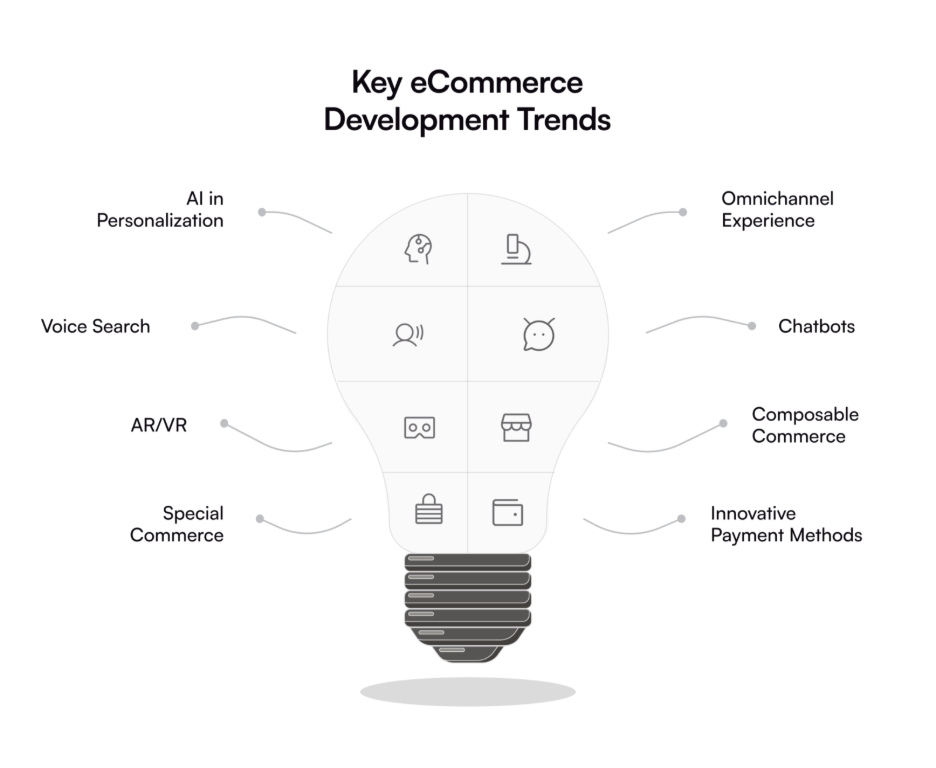
Key eCommerce Development Trends to Watch in 2025 

Trends are new features, methods, and online shopping innovations that take ecommerce to the next level. With these trends, you can not only enhance your e-commerce customer journey but also improve your online store to ensure customer retention and loyalty. Let’s check out the key trends for ecommerce development to look for in 2025.  

AI in Personalization & Recommendations 

Artificial Intelligence is now playing a vital role in e-commerce with predictive analytics and recommendation engines. In 2025 and beyond, the use of AI will increase in e-commerce development as investment in AI-based personalization and recommendation engines rises.  

AI-based personalization enables ecommerce businesses to offer a tailored user experience based on their location, preferences, and search history. With the help of AI, recommendation engines can identify patterns in the shopping behaviors of consumers and, based on them, provide product recommendations.  

Personalization helps e-commerce businesses tailor customer journeys right from searching for products to checkout. AI also helps businesses improve operational efficiency by aiding in managing inventory and the supply chain.  

The Rise of Omnichannel Experience 

Another hot trend in ecommerce development is the omnichannel experience that focuses on creating a seamless customer journey across different touchpoints. In simple words, your customers should feel delighted whether they purchase via your mobile app, ecommerce site, offline, or POS. 

You can leverage microservices to cater to different channels, in-store screens, apps, smart TVs, and VR shopping. User expectations differ for every channel, like tapping on a mobile vs. browsing content in detail on a desktop. You need to tailor the digital experience for different channels. This can be achieved with a headless commerce development and building a custom frontend for every channel, like a mobile app, website, web app, etc. It helps you build a seamless digital shopping experience that your customers will love, resulting in higher conversion and sales.  

Voice Search for Easy and Quick Shopping 

Voice search has been around for some time since Alexa, Google Assistant, and Siri voice assistants were launched. People used them not only for information but for shopping too. Moreover, AI-enabled voice search takes this to the next level and enhances the shopping experience.  

By optimizing for voice search, ecommerce businesses can ensure that their store is visible in these searches. People can use voice commands to order a product or food. When your store is optimized for voice searches with physical address, website, business hours, phone numbers, etc, this drives traffic to your site and increases sales.  

Chatbots Help Customers Answer Their Queries 

Chatbots are among the topmost ecommerce development trends in 2025 that allow businesses to automate customer support services. With the help of chatbots, customers can get instant answers to their queries and find solutions to their problems, related to order processing, refund, checkout, or anything else.  

With the integration of AI-powered chatbots, your ecommerce store can manage customers efficiently while ensuring the best shopping experience. AI chatbots can interact with customers just like a human customer executive would and offer assistance based on their queries or issues.  

Your ecommerce business can unlock the potential of chatbots by leveraging Gen AI technology to further enhance the capabilities of these chatbots with sophisticated machine learning models. Such chatbots will analyze data and identify patterns to help customers resolve their queries quickly and efficiently. This will improve the overall digital shopping experience of customers and create brand loyalty.  

AR/VR for Next-Gen Digital Shopping Experience 

One of the major ecommerce development trends today is the implementation of AR (Augmented Reality) and VR (Virtual Reality) functionalities. These technologies take online customer experience to the next level by offering innovative ways to buy products. For example, ecommerce stores can offer virtual try-ons to help customers choose the best outfit for themselves by trying it live virtually while shopping online. 

Similarly, customers can check sunglasses or normal specs in real-time by virtually wearing them online on an ecommerce platform. So, it offers a unique shopping experience that helps them make the right choice before even visiting a store physically.  

Composable Commerce for Scalability 

A notable ecommerce development trend in 2025 is composable commerce, which focuses on developing more scalable and flexible ecommerce stores. To achieve this, it emphasizes creating ecommerce stores that are decoupled and modularized.  

Unlike traditional monolithic ecommerce stores that have frontend and backend intertwined with each other, composable commerce stores are more flexible, built on microservices, and leverage APIs for delivering content to different frontends tailored to each ecommerce channel like PWA, web app, mobile app, etc.  

Such ecommerce stores are highly flexible due to loose interdependence between components and can be tailored to specific user requirements. They are also very scalable because any component or module can be scaled quickly without affecting the functionality of other components or modules.  

Composable commerce enables your business to deliver a seamless e-commerce experience and scale faster. Besides, you can choose the ecommerce technology of your own preference, helping you build a robust ecommerce store.  

Social Commerce Becoming Trending 

Social media is no longer just a platform to connect with friends and family; it’s also a platform to connect with sellers. Indeed, social media has now become a key platform for ecommerce businesses to sell their products, which they can do by integrating it into their shopping journey.  

It is one of the most crucial ecommerce trends in 2025 and enables businesses to expand their sales channels. There are many ways products are featured to users on social media, like live-streamed videos, embedded product pages, influencer videos, brand promotion content, and more.  

Innovative Payment Methods are Emerging 

There is also a trend in ecommerce development related to payments. BNPL (Buy Now Pay Later) is a trending payment method that involves an arrangement to buy something now, while the payment is made later, usually in installments.  

With these payment options, ecommerce sellers can increase their customer base and sales. This flexible payment option attracts even those customers who hesitate to buy due to financial issues. By integrating the BNPL payment method into your ecommerce platform, you can offer more diverse options to buy and pay.  

To Wrap Up 

The ecommerce landscape is changing rapidly with new innovations and trends. Those businesses that are abreast of these changes will lead, and those that fail to adapt will be left behind. Understanding these trends and implementing those that can take your ecommerce business forward is essential for both sustenance and growth.  

E-commerce development trends like AI-enabled personalization, chatbots, composable commerce, and voice search are the next-gen features that you can implement in your ecommerce store and offer a top-notch online shopping experience.   

You can stand out by implementing the top ecommerce development trends 2025 with Galaxy Weblinks. We are a highly experienced ecommerce development company specializing in creating a wide range of ecommerce solutions – website, mobile app, and PWA.  

We help you build cutting-edge ecommerce stores with next-gen features like chatbots, voice search, AR, and more. We have worked with various companies ranging from startups to enterprises, helping them build robust ecommerce solutions, both B2B and B2C.  

Contact us to discuss your project and let’s build a next-gen eCommerce website.  

Frequently asked questions 

Which top trends are shaping the future of eCommerce? 

The key trends that are shaping the future eCommerce include AI-powered personalization, chatbots, omnichannel experience, voice search, and headless commerce. With these trends, brands can deliver a more dynamic, immersive, and flexible eCommerce experience.  

Are data privacy and security becoming more important in eCommerce? 

Yes, considering the rising cost and number of cyberattacks, data security and privacy are becoming among the most important factors in the development process. Therefore, eCommerce businesses are investing in data privacy and security.  

How is AI transforming the eCommerce landscape? 

Artificial Intelligence is being leveraged in eCommerce development to build smart chatbots for product recommendations, predictive analytics, and hyper-personalized shopping experiences.  

What Are the Best Practices for Running a Successful Ecommerce Website?

Ecommerce is growing at a quick pace and having an online store is getting increasingly important for your business to stay ahead of the competition. Ecommerce stores provide a great opportunity for businesses to explore several geographical markets and attract new customers that were not accessible with only a brick and mortar store presence.

Your company’s growth and success will be determined by your Ecommerce website. Hence, the need for a well-designed Ecommerce website to increase traffic, high conversions, and achieve more sales. We know how important it is to set up an Ecommerce website in this highly competitive online environment. In this article, we have compiled seven best practices for running a successful Ecommerce website.   

  • Simple and Effective Design – Ecommerce websites with simple designs offer customers a better user experience which results in a higher conversion rate. A well-designed home page is crucial for visitors as this will be the first thing that they see on your website. You should design your home page with a clear point of focus to drive visitors to perform the desired Call-To-Action (CTA). The right CTA would depend on your business objectives – to register a user or sell a product or draw attention to a specific point. A too complicated and cluttered design would make it difficult for visitors to identify your CTA. 

A simple design eliminates confusion and makes everything easy for visitors. Simple menu features, search bar, filters, etc are key components of a well-designed Ecommerce website. Concisely introducing your products can boost your value proposition and enhance the experience of your users. 

  • Page Speed Optimization – Page speed is the time taken for the content on a page to load. It is an important element when it comes to measuring the effectiveness of a successful Ecommerce website. Research indicates that even a delay of a second in the page loading time leads to a 16% decrease in customer satisfaction and a 7% loss in conversions. There are various ways to optimize page speed such as the selection of an Ecommerce platform based on your business needs, using a fast and reliable hosting service provider, using the appropriate server network for content delivery, etc. 
  • SEO Optimization – Search Engine Optimization (SEO) is very important to get noticed and drive traffic. Most visitors start their buying process from search engines like Google. Therefore, your Ecommerce website needs to feature in the top results of any relevant searches. Based on industry research, almost 40% of Ecommerce traffic comes from direct searches, and hence most successful Ecommerce stores invest in good SEO plans.
  • High-Quality Images  – Once a visitor starts looking in your Ecommerce website, having high-quality relevant pictures helps you engage and connect with the visitor. A high-quality picture can influence visitors in making a purchase. 
  • Customer reviews and testimonials – Customer reviews and testimonials help add credibility to your products and brand. When it comes to buying online, customers mostly tend to buy products with the most reviews. Customer testimonials can be a powerful tool for a successful Ecommerce website. Not only do they help build credibility but also help spread your products and brand; thus, effectively reducing your marketing spend and increasing profitability. 
  • Customer Service – Online businesses need a customer service division to help their users. This includes everything from helping them complete their purchases to resolving shipping/ refund/ payments issues. Having a well-thought-out customer service plan is a prerequisite for a successful Ecommerce store. These customer service touchpoints would vary depending on businesses but would cover topics such as shipping, returns, product feedback, etc. By having seamless customer service functionality, you can create greater customer loyalty in the overall process.
  • Responsive Website –  A responsive website design is essential when it comes to a successful Ecommerce store. Mobile makes up almost half of all internet traffic, and having a responsive design allows your website to properly load across all devices, and ultimately provide a good user experience.

Conclusion 

Running a successful Ecommerce website in today’s highly competitive online environment requires adhering to several best practices. While we have listed down some key best practices, there are many more considerations in order to drive maximum traffic and have high conversion rates. If you’ve any doubts related to Ecommerce platforms and if you need assistance developing one, then feel free to talk to us here.

Scaling in WooCommerce – Challenges and Solutions

Scaling an Ecommerce website can be a challenging undertaking. You have to factor in a lot of situations like logged-in user accounts, order information, add-to-carts, coupons, pricing variables, etc. These situations need to be dealt with besides common scaling issues such as well-written code, custom database tables, and server infrastructure. 

It is important to approach this with great care because delays or breaks can have a direct financial impact. According to Kissmetrics a single-second page delay can potentially cost $2.5 million in lost sales over a year, for a website that brings in $100,000 of business every day. This proves that it’s crucial to have a highly functional and efficient Ecommerce website. 

WooCommerce is typically installed over WordPress CMS and the sites running WooCommerce are often customized to fit specific business needs. These customizations can range from something as basic as integrations with external services to custom SQL interfaces that don’t use WooCommerce or WordPress classes. As the number of these customizations increase, so does their difficulty to scale. A majority of customizations are one-off and not made to scale under load. This makes it difficult to approach scaling as a one-size-fits-all solution.

However, this doesn’t imply that scaling is impossible. Some methods work despite a website’s complexity and customizations.

Figure Out The Problem Areas

You can’t fix things you can’t see. So the first plan of action is to find out the problem areas, especially related to sales and incoming revenue. 

  • Begin with a site audit and gather information about code, the server, services, and integrations. 
  • Identify the problem areas with the help of this data you can identify the problem areas. For example, issues such as slow query logs in server information may show up. 

Run Query Monitor

We suggest you use Query Monitor to identify things that are running slowly on different pages. Notice where the slow-down is occurring. For example, is it happening when you’re adding a product to the cart or when you’re applying a coupon? A quick study of the system process and interactions in checkout can help reveal things that need fixing.

Perform Load Testing

The next step is to perform load testing. Design test cases around different sales activities with a load testing service to analyze the website’s performance when there’s a sudden spike in traffic and activity. Ensure that you’re doing these kinds of tests in staging and not in a live environment. Also perform load tests when you introduce new functionality, integrations, or other changes in your system. You’d want to be double sure as there are new variables in the system. 

Keep Databases Separate

WordPress has a single database table for all post types while it stores all post meta content in another table. This can work for small-volume websites but might pose a major problem for larger ecommerce websites. And since all the content is in only two database tables, it causes a performance bottleneck when the volume increases. In that case, user orders might fail or users might find it difficult to add or remove items from the cart. All this will eventually cause your revenue to take a hit. 

Consider creating custom database tables based on the bottlenecks you encounter. That way you will be able to store different content in their separate tables. When the post types have separate homes, you can optimize SQL queries for faster load times.

Upgrade Older Code

As WooCommerce has evolved, some older functions and processes have become completely obsolete and hence been replaced with better code. With updated core WooCommerce code Legacy custom websites might not perform as their modern counterparts. 

Identify outdated functionality and replace it with newer code from WooCommerce Core or custom code based on the latest practices and standards. To replace the legacy code you must know what it does first. This is where detailed code documentation comes in handy. The better the documentation, the easier it becomes to upgrade.

Find An Alternative To Default WordPress Search

The default search in WordPress is built on a set of queries to the database. This is bad news for complex site searches, filters, or custom content pages. Look for custom search solutions like Elastisearch or Algolia. These alternatives will perform better in complex higher-volume sites than WordPress’ default. 

Final Thoughts

A smooth and flawless user experience is key to customer retention in an Ecommerce business. Scaling the website to match rising traffic is a good problem to have. It can be easily facilitated by strategy, thought, and customization.

You can outsource this important task to an experienced WooCommerce development agency to reinforce your Ecommerce website from the inside out.

About Galaxy Weblinks 

Galaxy Weblinks is your one-stop solution for WooCommerce solutions. We offer a complete range of IT services including WooCommerce development and WooCommerce optimization. Contact us now for complete WooCommerce solutions.

Top Reasons (and solutions) for Cart Abandonment

Shopping cart abandonment is an Ecommerce store owner’s worst nightmare. It can be frustrating to successfully move a shopper through the sales funnel and create offers that pique their interest, only to lose them at the point of purchase. It’s extremely aggravating.

And it is for this reason that we are here with this blog. We’ll go over a variety of cart abandonment statistics to paint a clear picture of why shoppers fail to complete their purchases and shed light on how to fix common problems to further increase the conversion rate.

What Are the Most Common Reasons for Shopping Cart Abandonment?

To gain a better understanding of why shopping cart abandonment is a problem for retailers and what causes it, you must first thoroughly understand your customer persona and business processes.

When making a purchase, it is critical to understand the customer’s psychology and mindset, i.e., what turns them off and what leads to a successful transaction.

Here are some of the most common reasons why customers abandon their shopping carts:

1. Excessive/Hidden Costs: Nobody wants to pay extra. As a result, it is one of the most common reasons why customers abandon their shopping carts. Customers are always hesitant to make a purchase when they are faced with additional costs.

2. Compulsory Account Creation: Forcing your users to create an account to make a purchase can turn out into a blunder and result in cart abandonment. Some users prefer not to create an account for a single purchase, so they would choose not to purchase if there’s no guest checkout.

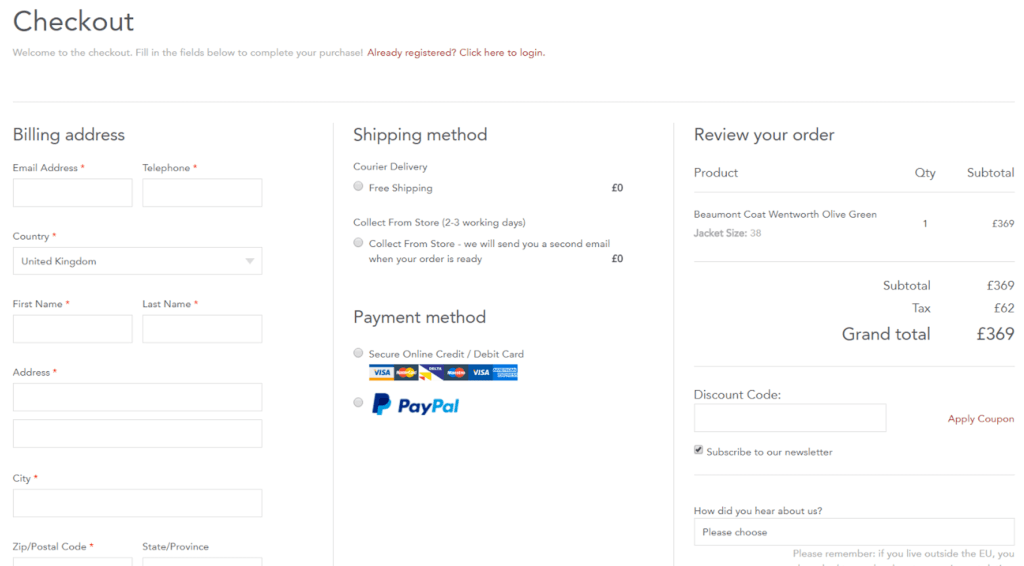
3. Complicated Checkout Processes: When designing your Ecommerce website’s checkout flow, keep in mind that each additional step and form field limits the users’ ability to make a payment.

4. Technical errors and lags: Technical difficulties and flaws can happen on any website. However, you should make every effort to avoid these situations because they may make the customers uncomfortable. 

5. Payment methods are insufficient: Having only the traditional options is no longer prudent. Nowadays, everyone is used to a different payment method, and you can easily lose a customer if you do not offer a variety of payment options.

6. The website does not appear to be trustworthy: No matter how secure your transactions are, customers are unlikely to trust you with their credit card number and personal information if the page lacks a security icon.

While the six reasons listed above are the most common, there are several other reasons why customers abandon shopping carts.

Conversions can be increased by a whopping 35.26 percent by implementing the right checkout optimization strategies, according to experts. 

(source – https://baymard.com/lists/cart-abandonment-rate)

The Ecommerce store owners need to determine what isn’t working and make a concerted effort to improve the design, promotions, offerings, checkout flow, and other aspects of their store.

What Are Some Strategies for Reducing Ecommerce Cart Abandonment?

Every Ecommerce store is unique, and the methods for reducing checkout abandonment will also differ. We will go over some of the most important yet simple strategies for online retailers.

1. To avoid confusing and losing prospective buyers, make directions and CTAs as clear as possible.

Why it matters: Your purchasing path should be clear and simple. The better the UX, the more sales you can expect to make. Conversion rate optimization is distinguished by clarity and simplicity.
2. Display trust seals and use secure transaction methods to make shoppers feel safe when providing payment information.

Why it matters: While shoppers are much more comfortable with online shopping than they were when it first became available, they are still wary. The threat is kept alive by news of data breaches. Trust seals, such as Norton Secured (shown below), reassure customers that you are protecting their data.

3. Make it simple for customers to make changes to their shopping carts to avoid frustration and keep them engaged.

Why it matters: This part of the checkout process can be especially aggravating. You reach the end of the procedure and realize you have forgotten something. So, what now? Changes to the cart will be simple and instantaneous, thanks to the optimization.

4. To maximize conversions, audit the entire checkout process.

Why it matters: When an obvious problem is discovered, spot checks of stuck points along the path to purchase are typically required. Regular full-system inspections of the entire checkout process can identify revenue-draining areas before they become visible.

5. Use one-click shopping for repeat customers to make it even easier for them to return.

Why it matters: Online shopping is no longer a novelty or something you do because a particular item is not available locally. Ecommerce is now the preferred method of ordering for many people. There will be no driving, no fighting crowds, and no waiting in line. Shopper loyalty will increase if you make shopping with you as simple as loading a basket and clicking the Buy Now button.

6. Use testimonials and reviews liberally as social proof that doing business with you is a good idea.

Why it matters: Social proof is critical in Ecommerce. You, like the rest of the online shoppers, frequently read reviews before ordering an unfamiliar product. We are more likely to believe others (even if we have never met them) than we are to believe the seller. It’s just human nature.

7. Display contact information clearly on every page to establish trust and the ready availability of customer service.

Why it matters: Highlighting the various ways your customers can contact you is akin to reaching out and holding hands with them. Nothing beats company when it comes to removing fear. You can’t physically walk them through your online store, but you can guide them virtually and be there for them every step of the way.

8. Profitably stop cart abandonment by removing shipping costs or disclosing them.

Why it matters: The most obvious solution to high shipping costs is to eliminate them. This, however, may not be possible depending on your product mix. One effective strategy is to include the additional cost of shipping in the product price.

You can employ a personalized message bar to inform customers that if they meet a certain threshold, they can avoid paying shipping fees. This is a fantastic way to boost AOV and conversions, and it’s all made possible by personalization software tools.

If you are unable to reduce costs, fully disclose them. The product page is the best place to do this. Transparency is highly valued by digital shoppers and is essential for store success.

Conclusion

We hope that these tips and tricks will help you manage the shopping cart abandonment rate in your online store.

It takes time and effort to create an exceptional shopping experience. Do not pass up this opportunity, as it has the potential to help redeem what has been lost. To put it succinctly, you only need to be concerned with one thing: creating an experience that your visitors and existing customers will enjoy.

And, while your Ecommerce shopping cart abandonment rate is unlikely to drop to zero overnight, your efforts toward successful conversions should not be put on hold. The trick is to never stop striving to improve your company and its customers.

Begin by A/B testing the aforementioned techniques, keeping what works, and discarding the rest. You can even seek help from industry experts, whose knowledge and experience can help you stay ahead of the competition in this competitive Ecommerce landscape.

About us

We, at Galaxy Weblinks, specialize in developing the best online experiences for your users. We have expertise in customizing websites using multiple platforms, be it Shopify, Woocommerce, Magento. Contact us for your Ecommerce project today.

5 ways to optimize your ecommerce website for Voice Search

Voice search is at its peak in popularity among millions of users. According to an OC&C Strategy Consultants market research, Voice Shopping is projected grow to be a $40 billion plus segment in next two years. Numbers alone are a proof that voice assisted interactions are no longer exclusive to accessibility.

Your customers are now speaking more to Google assistant and Siri than to your website’s chatbots for their product queries.

In such a scenario, voice search will help your customers to visit your website, look for their product, and make the purchase (if only it was that easy). But you can make it easy for your visitors.

Google’s insight says a lot about the current consumer mind set about shopping and smart speaker.

According to Google, almost half of the people who own a smart speaker are willing to receive information related to deals, promotions and sales from brands

People are willing to share and receive information via these devices. Now the question is, how to optimize your ecommerce website for voice search? Scroll down to find the answer to this question.

Here are 5 actionable tips to optimize your ecommerce for voice search-

1. Prioritize Long-tail, Contextual Keywords

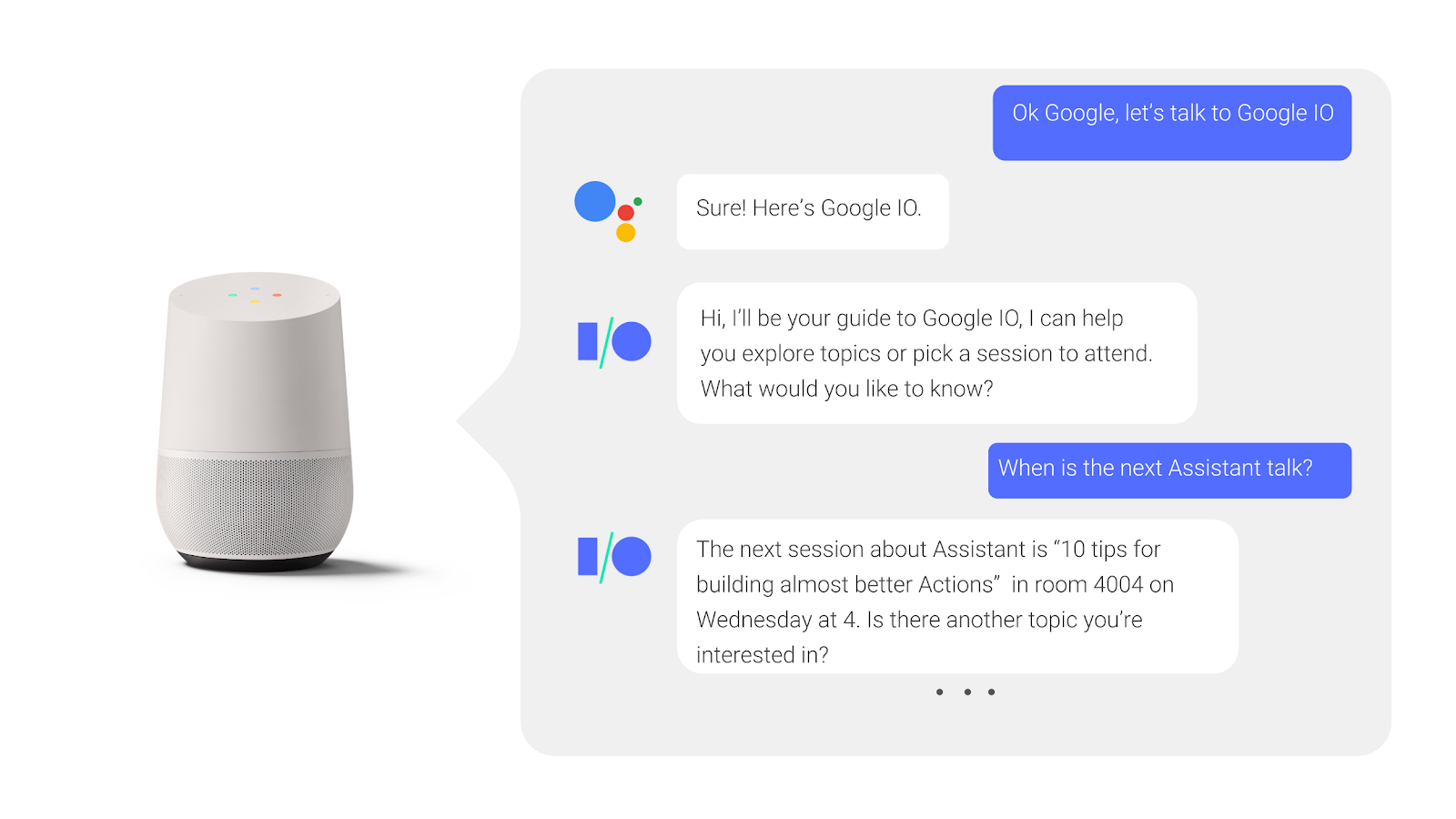
Image showcasing a conversation with google home smart speaker

In voice search the keywords are not just 2-3 words, instead it’s a complete sentence. The reason being, when we ‘speak’ to our devices, we are considering it to be an actual life conversation and therefore frame the queries accordingly.

Your visitors have a high probability of saying, “Siri, where can I find toys for my 5 year old child?”. When a person types the same query, it goes something like, “Toys for 5 year old”.

Voice search revolves around the illusion of having a conversation with your search assistant or search engine. Additionally the typing effort is absent here, so a person subconsciously speaks more as compared to typing the same query. Thus, long tail and contextual keywords come into the spotlight here.

2. Decrease your website’s load time across platforms

Computer painted on a wall

A lot of your traffic will be from mobile devices, thus you should optimize your website’s speed for mobile. A speedy website benefits from higher engagement from visitors, they will be able to see various products offered, and thus improve the overall user experience.

Tools like PageSpeed Insights will provide you information about all your webpages, which ones are slow and possible recommendations to increase the speed as well.

Optimizing your website’s speed is even more essential as Google is now deploying the mobile first ranking system.

For improving the speed, you can start by doing these tweaks:

  • Compress your images but do not compromise on the image quality
  • Deploy caching technique
  • Constantly look out for broken links
  • Select fast web hosting platforms like A2 hosting, Hostinger

Google tends to rank those websites higher from where it can readily extract the information requested for and this is done via structured data, more on this later.

3. Target the Local SEO first

video of a man driving while trying to read a map

The voice queries from mobile devices have 3 times more chances of being locally based according to Search Engine Watch. And it fits well because mobile searches are done when on the move like driving and the query is done hands free.

Phrases like, near me, within x meter range, etc are popular ones. Cracking the local SEO will help in such situations. Your visitor will appreciate this as they will be directed to the right place within minimum time limits.

4. Focus on your website’s content

A kid in front of a laptop raising his fingering

Your website’s content needs to be educational, easy to understand, relevant and in line with your consumers thought process. This can be done with paying adequate attention to your FAQ page, product descriptions and content for featured snippets.

Your FAQ page will answer the what, where, how, when, why type of questions which are conversational in nature. This means that when your potential customers are looking for these answers, say while driving, they will be directed to your website.

When writing your FAQ page, you will be able to think of numerous questions that your customer will have as they come across your products and services. When done right, FAQ pages will increase your visibility chances.

Your product descriptions also play a vital role here. They should follow a natural conversational tone and sound like a conversation between friends. When elaborating the features of your products, you should aim for a more friendly sounding tone instead of a salesy one.

Your FAQ page and product descriptions can also be taken for Featured snippets by Google if you are close to answering the questions that customers put in. And who does not wish to be on the top of the search results page?

The content that resonates with the way your customers converse will win at the end of the day.

5. Schema markup for your website

Photo of display monitor with code on it

Using Schema markup or structured data helps Google in extracting the most important information about your products and sending the same to your customers upon related search queries.

A well structured website facilitates easy discovery of key information for Google and thus your website can be ranked a bit higher, giving an upper hand over your competitors. When necessary information is highlighted on the search page itself, people will be more inclined to pay a visit to your website.

You can visit Schema.org for getting started and to see how well your website is structured, you can test using the Structured Data Testing Tool.

There is no denying the fact that people have shifted to voice search and will be relying heavily on it in the future. Once your ecommerce website is optimized for voice search, you can leverage it to increase your sales and who knows, you can hope for reductions in your churn rate as well.

Reach out to us for our expertise in building optimized solutions for all your ecommerce woes.

A failproof Magento 2 migration plan

Editor’s note: If you are still wondering ‘Do I really need to upgrade to Magento 2’, we recommend reading our 5 reasons why you should migrate to Magento 2 blog. Alternatively, you can take a leaf out of the book of Land Rover, Helly Hansen, Byredo, and thousand other brands who upgraded their Ecommerce websites to Magento 2 way ahead of time.

Migrating from Magento 1 to Magento 2 is tricky, as it involves a lot of manual tasks. No doubt the data migration tools do make the task easier!

But what about the prerequisites? Or existing traffic?

You can’t afford the bummers because of a lack of proper planning.

Here’s an ideal migration process for Magento 2 for a successful, hassle-free, and safe migration.

Cut down all the complexities before making the move

Video of a man thinking with math figures floating around his head

Here’s why?

You might start with setting a plan that includes deadlines, efforts required, and then end up with hair-pulling frustration by making unnecessary changes.

Mark down: The amount of time and effort depends on the number of customizations, complexity, and the number of extensions running on the existing store.

Here are the initial practices that should be taken into account before migrating to Magento 2:

  • Prepare full backup

Make sure you have a complete backup of your Magento 1 store and the required database, files, and folders.

  • Check compatibility

Check if your current extensions, custom code, and themes are compatible with Magento 2.

  • Analyze the data
  • Review what needs to be kept or removed from the new Magento 2 website.
  • Staging environment

Do not migrate when your website is live. Transfer the data from the copied database of the Magento 1 store.

  • SEO analysis

To avoid losing traffic, perform SEO analysis to retain best-performing URLs, keywords, and fix other possible issues.

You are ready for migration after you review and account for your existing site’s extensions, customizations, website design, and the data stored within your Magento 1 installation.

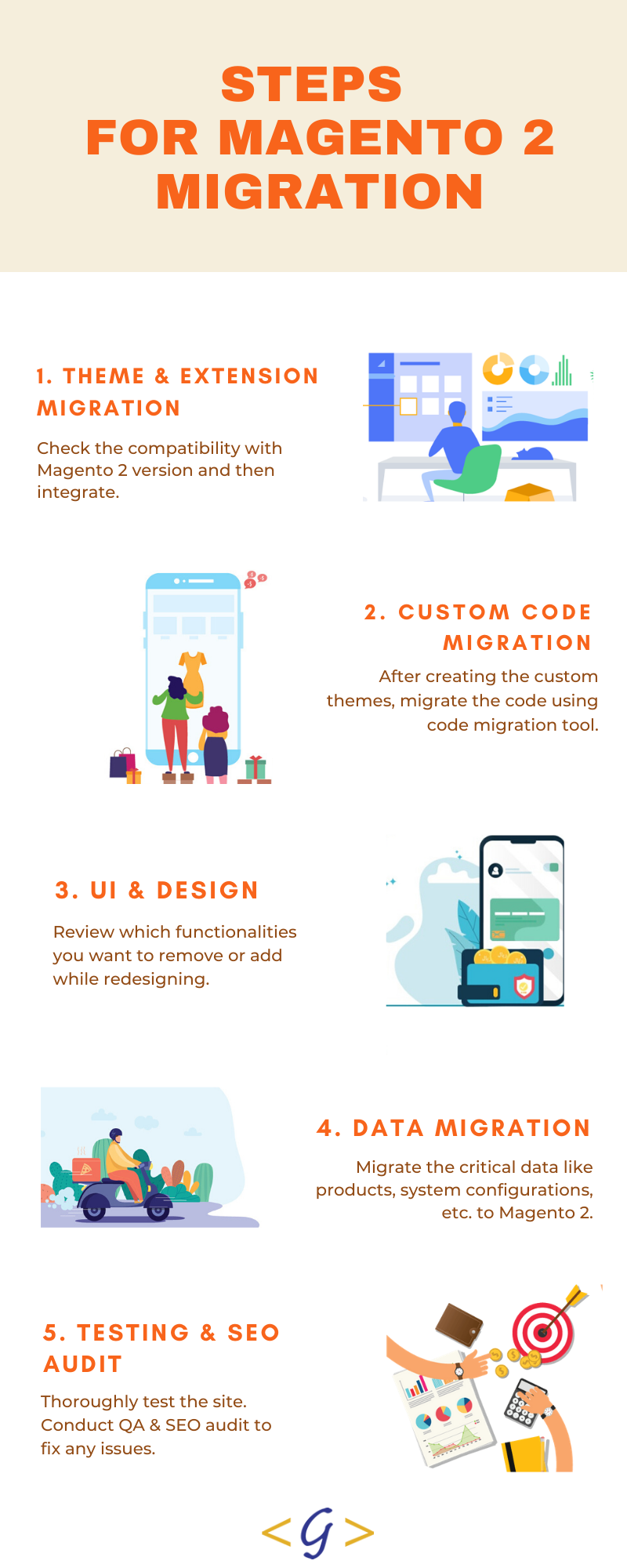
5 necessary steps for successful Magento 2 migration

1. Theme and extension migration

First, you need to check whether the themes and extensions are compatible with the Magento 2 version or not. If it’s compatible, then you can install the same theme and extensions in Magento 2. This will automatically make the migration process a lot easier for you. If not, then you need to head towards the next step…

2. Custom code migration

Magento 2 follows new approaches and architecture for developing themes and extensions.

Existing extensions, themes, and customizations are unlikely to work with a Magento 2 installation. Therefore, you will need to build them if they aren’t available as out-of-the-box functionality.

If you have installed a third-party theme for the Magento 1 site, then you have to check with the vendor whether the current theme will support Magento 2. You would need to create a custom theme and migrate this custom code using Magento toolkits.

3. UI and Design

During the redesign stage, you should consider which features and functionalities should be carried over, removed, or added to your new website.

Just like extensions, Magento 1 UI can be incompatible with Magento 2. It’s because the Magento 2 uses modern architecture and has different back-end and front-end requirements. This may make it impossible to convert Magento 1 theme and design code.

You’ll need a front-end developer to create a custom theme and templates from scratch if you want to create something unique and memorable to your retail business.

4. Data Migration

Next, start your engines!

The migration process starts with setting up a development environment by moving Magento 2 on a new server. Make sure to install a fresh copy of Magento 2 on the same hosting server where your Magento 1 store is located.

It is recommended to migrate data from a replicated Magento 1 database instance. You may be required to suspend all the activity on your Magento 1 admin panel, and stop Magento 1 cron jobs, except for the order management functions.

With the help of Magento data migration tools or back-end developers, you can migrate critical settings and data such as:

  • Settings: Websites, stores, system configurations like tax settings, payment, shipping, etc.
  • Data: Products, orders, wish lists, customers, categories, ratings, etc.

Magento offers a tool to assist in Data Migration. It can help you in importing product and customer data to the new 2.0 version.

Advantages of using Magento’s Data Migration Tool:

  • Migrating configuration settings
  • Migrating main data in the database
  • Transferring incremental data updates to the storefront and admin panel

Alternatively, you can outsource this project to an expert Magento development company.

5. Testing and SEO Audit

You’ll need to vigorously test the Magento 2 site to make sure there aren’t any issues before going live.

The internal testing involves whether the website and any new functionality have been completed as per the specification or not.

Run through a predefined list of user stories to ensure that there are no issues with the site’s usability and functionality. Once the website has passed all the quality assurance guidelines, you can go ahead with the SEO audit phase.

Complete an SEO audit to ensure that all content has been migrated over to the new site. Remove any thin or duplicate content, and ensure that all of your pages are optimized with relevant meta content, heading tags, alt text, and structured data.

Make sure that 301 redirects have been set up to direct users to your new pages.

And you are all set to go live!

It’s about User Experience!

Migration is the perfect opportunity to refresh your website and rethink about – “How can I offer the best customer experience?”

It’s not just a migration phase for your Ecommerce website. It is also the best time to review whether you need more advanced functionality in your Magento store.

If you want to create a high performing Magento 2 website or put together some initial mobile-first designs in it, reach out to our team of Magento developers here.

About the Author

Vinod Khajja is an Ecommerce expert at Galaxy. He is a firm believer of AI and it’s possibilities with Ecommerce. As a Senior Project Manager he has multiple ecommerce successes under his belt

Is Hyper-Personalization the key to your E-commerce growth?

Hello (Inserts your First name),

All of us have received emails/ sms notifications, social media ads, that are sharing offers and discounts on the products that we have been eyeing.

Hyper personalization takes the basic information as the starting point of its research and then gets to know you better with the help of Artificial Intelligence or AI. It collects real time information, identifies patterns, looks for reasons behind actions performed (via feedback) and then serves product recommendations, content and offers based on analysis carried out.

Understanding Hyper-Personalization

billboard ad

Is hyper-personalization a new concept? Not really. Hyper-personalization is like those regular personal conversations you have in your neighborhood Mom and Pop stores. You wouldn’t think of going to another shop for your grocery shopping as you know the owners well and they know your preferences, thereby assisting you in finding your favorites without even asking.

Hyper personalization is aimed at establishing the same relationship with your customers but virtually and on a wider scale. AI and Machine Learning advancements have made hyper personalization a reality now. You can now leverage these technologies to build a customer experience that leaves behind a good imprint in your users’ minds.

Consumers want businesses to understand their needs

a fluorescent light shaped in text

Your customers are always in a time crunch, but also have a sizable disposable income to indulge in luxuries. They will certainly appreciate tailor-made recommendations right in their mailbox or while browsing your website. In case you still have doubts, have a look at these numbers –

  • A study conducted by Accenture said that 41% of US consumers changed their brand preferences because of a lack of personalization and trust.
  • In the same study, 81% of customers wished that brands put in more effort to understand them better.
  • Customers now expect brands to understand their dynamic needs and respond as per the insights garnered from the real time data they collect.

Hyper-personalize your ecommerce business

Stitch fix home screen capture

Hyper-personalization revolves around AI, Machine Learning and Deep learning, social media research, surveys, and website analytics. AI and Big data usage are spread across industries. It is used by Netflix, Starbucks, Stitch Fix, Amazon, and many others.

Amazon uses data from every possible place. Be it purchase history, viewing history, saved items, average time spent on search, and shopping cart data. It also features a frequently bought together category for further assistance to customers. All this information is used to personalize the search query and even the homepage for the visitors, via predictive analysis method.

Another example is Stitch Fix.  It is an online personal styling venture.

  • As users sign up, they are asked questions about their styling preferences, which are then matched to the numerous stylists’ profiles on the website.
  • These stylists then handpick relevant products for the users and the user has to select one product out of the curated range and pay for it.
  • Feedback is requested from the customers for the products they keep, as well as return, which is then used for future recommendations.

Stitch Fix combines human and data insights to deliver maximum customizations to their customers.

In essence, collecting, combining and analyzing all the data collected will help you in building a hyper personalized experience for all your customers. We recommend that you categorize the data into micro segments. This ensures that the results, preferences and content shown is always relevant to the customers.

Mass marketing and macro segmentation fail because of heavy generalization. For example, as a clothing ecommerce platform, if you are targeting all your female customer base at once, you forget to customize as per the geographic conditions, age group, body structure and even color preferences.

Whereas if you go for micro segmentation, you can send some bright color options to your younger demographic as they are more inclined towards experimentation and are yet to discover the color that suits them vis-a-vis the older demographic.

Leverage social media to find insights into your customer needs and wants; what your competitors are doing, and keep a track of all the trends. This always comes in handy when curating content for emails, blogs, social media accounts and newsletters.

Scope of Hyper-Personalization

Netflix home screen

Every page, recommendation, content, promotions can be a part of hyper-personalization. You can start by customizing the homepage of your website.

Your search function should take into consideration any keywords used by your visitor, previous queries, buying behavior, etc for saving your customer’s time. The likeliness of conversion increase when you quickly address your customer’s query.

Product recommendations bundled with complementary product offerings are a great way to increase your sales. It’s like when you order a burger and fries at McDonald’s and the cashier asks if you would like to make it a meal with a beverage. Only a few of us can resist such an offer! Add-Ons or similar product offerings under the ‘you may like this as well’ section comes across as thoughtful suggestions and not a pushy sales tactic.

Some takeaways

  • Send emails at the most optimal time for maximum engagement.
  • Take the geographic conditions in mind when sending product and service catalogs.
  • Personalized discounts and offers on the categories that your customer visited the most or has saved it or based on the purchase history will increase your sales conversion rate.

Hyper-personalization is not just an option! It is essential to survive in this harshly competitive online commerce space. Not only will it help you provide a frictionless experience to your customers, but it will also help you build a loyal and strong customer base. Your customers will turn into your brand advocates for all your potential customers.

Feel free to contact our experts who will assist you in building a better customer experience for your ecommerce venture.

About the Author

Vinod Khajja is an Ecommerce expert at Galaxy. He is a firm believer of AI and it’s possibilities with Ecommerce. As a Senior Project Manager he has multiple ecommerce successes under his belt.

5 reasons why you should migrate to Magento 2?

It’s high time for users to finally migrate, you cannot defer Magento 2 upgrade until the last minute. As it’s not a one-click-upgrade, Magento 1 users need to understand why this migration is crucial for their business.

Magento 2 is offering much more intuitive functionalities and benefits in comparison to Magento 1. But before the advantages, let’s understand where we’re coming from when we say ‘migrate now’.

Why sticking with Magento 1.x is not a good idea?

After June 2020 there will be no official support for Magento merchants or developers. This means there’ll be no more technical assistance, no more security patches, and ultimately, no more Magento 1.x as a viable platform.

Any technical issues with your website, as mentioned below, could have a huge impact on your revenue and brand image.

  • Security vulnerabilities

After the cut-off date, any sites that missed out on a migration would be vulnerable to security breaches and hacks. E-commerce sites that are still on unsupported versions of Magento will be exposed to hackers equipped with backdoor exploits.

This means you will be putting your customers’ data at risk. And without protection of their payment details and security updates, your checkout may no longer be secure.

  • Quality fixes

Magento will no longer be rolling out quality fixes for Magento Open Source (Community) or certain versions of Magento Commerce (Enterprise). Users with Magento 1.x will not get any further improvements to existing core features, and will find it difficult to make their site more user-friendly with broken features.

And with no more feature upgrades to Magento 1 means low customer retention, as it will be difficult for you to keep up with the services offered by your competitors.

  • 3rd party extension

Magento’s security patches and quality fixes only cover the core platform and not any extensions, bespoke modifications or enhancements.

In this case, you’ll need maintenance support to improve extensions and prevent them from getting defunct as they won’t be compatible with any new patches released to the core platform.

Magento 2 has several advantages over its predecessor

You must think about migration if you are looking towards a smooth customer shopping experience with your existing ecommerce website. Here are our 5 reasons to migrate to Magento 2:

1. Improved Performance

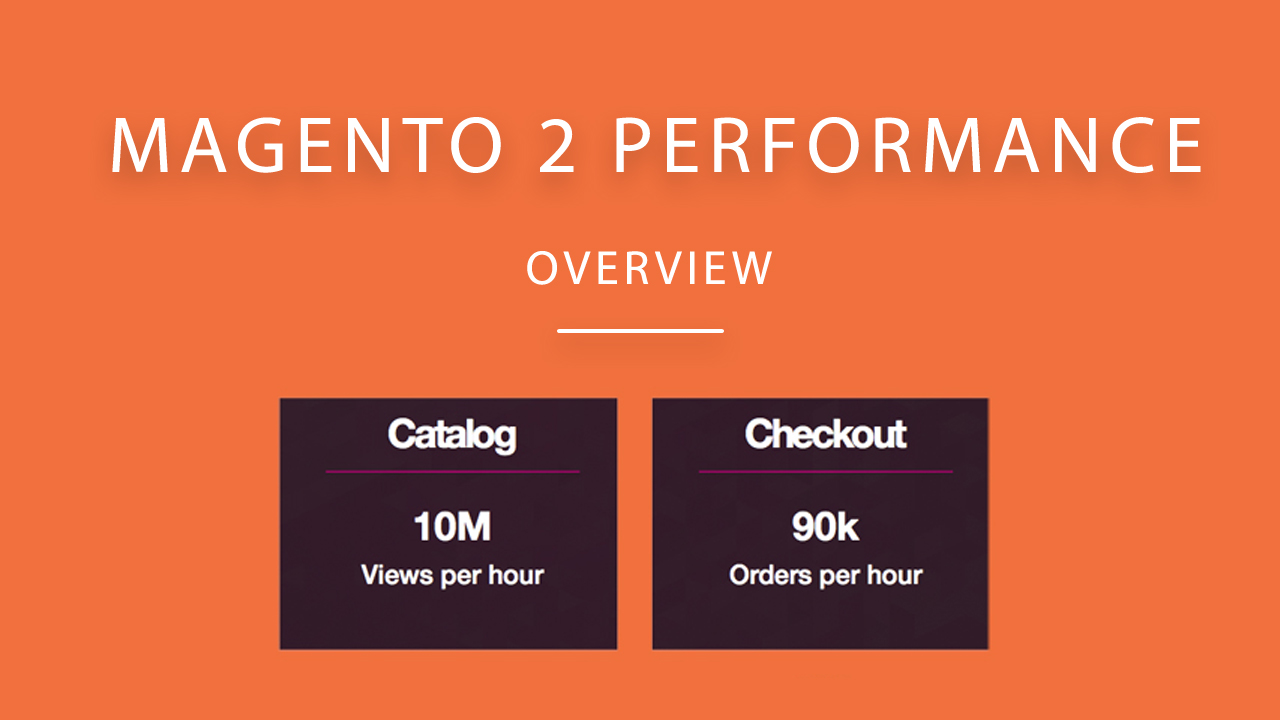
Magento 2 performance

Load speeds on the first version were slow. The possibilities of working with dynamic databases like PostgreSQL and MySQL has allowed better processing of caching, re-indexing and queries.

Magento 2 sites will run on average 20% faster than the sites based on the previous version. Pages will load in half the time as it has full-page caching. Whereas with an efficient indexing system, transactions become faster and easier to process.

Thus, faster site speed will encourage more sales and increase website search engine optimization.

2. Mobile Friendly

As we know that online shoppers perform more than 50% of online transactions on mobile devices, a responsive web shop is a must.

Magento 2 makes mobile commerce a priority as Magento 1 sites did not deliver optimum performance on mobile devices. Customers can take their mobile performance even further with the release of PWA (Progressive Web Application) Studio in Magento 2.3.

3. Smooth and Simple Checkout Process

Even though the Magento 1 checkout was a single page process, it was cumbersome.

Now Magento 2 offers a simple 2 step checkout process and the Instant Purchase feature. Existing customers can use their email address to check-out faster using their saved information like using previously-stored payment and shipping information to skip checkout steps altogether, taking them to a confirmation purchase page.

This increases conversions and reduces abandoned cart rates.

4. Better Admin Interface

This is a non-technical user’s dream! The admin user interface has been touted as the most problematic elements of Magento 1 for its confusing layouts and being intimidating to first timers. That problem was solved in Magento 2.

Magento 2 offers a user-friendly and clean experience where even the most non-technical users can add new product listings and find tools with ease. The admin dashboard enables you to find crucial business information about your e-store in one single place, leaving no room for confusing navigation.

The new version is easy to navigate and use which means that your customer will get to pages or products they desire faster.

5. Improved Security

A lot of attention has gone into the security of the online platform in the wake of increased data breaches.

Magento 2 also offers robust desktop protection due to major changes in the source folder structure. Ther number of root folders has been reduced to five by Magento 2 which in the previous version of the platform was containing nine root folders.

Moreover, the mask folder has also been deleted from the root folder. This new structure means that the code cannot be stolen or stolen directly from the root, making Magento 2 more secure than Magento 1.

The Next Big Step Towards Migration

Customers reported they benefited from Magento Commerce 2’s comprehensive security standards, native B2B functionality, multi-site capabilities, and easy-to-use content development functionality.

Their reasoning for choosing Magento was based on how it can be customized to meet their specific needs. You can certainly find your why in the above mentioned reasons to not delay the upgrade any further.

We recommend you to take a systematic migration approach or get a team of Magento experts onboard to help you with the migration with zero down time.

About Galaxy Weblinks

We have a team of Magento experts that will assess your eCommerce website and help you stay up-to-date when it comes to security, performance, and stability. Contact us for a free consultation!

Personalization | Key to E-commerce success

With most shopping happening online, the consumer purchasing behaviour has seen a paradigm shift. Earlier the options were limited and buying decisions were quick but now consumers have to sift through a ton of choices to get to what they’re looking for. Just like people trying to hear through a cloud of noise.

For instance, try calling people by their names in large and crowded places. No matter how loud the party gets, the right person or people will turn back. Years of evolution have helped us develop selective hearing. The internet is the same crowded place where everyone is trying to get your attention.

But somehow out of all the products and promotional campaigns, some cut through the noise and make you feel like they were made for you. It’s because they gave a personal touch to their campaigns or their websites.

Accenture, an MNC, found in a research that personalization is key to the success of an e-commerce store.

The results revealed some information that was against what is commonly believed in regards to consumers and their data.

56% of consumers get carried away with the store’s personalization when the store recognizes them with a name.

65% of them prefer retailers that know their buying history. Only if the data is used to provide tailored recommendations.

58% of them buy products from the recommended section provided by the e-commerce store.

In exchange for these, 86% of consumers are willing to share data for getting a personalized experience.

In a world of information overload, personalization is a godsent feature. Here are some personalization strategies which you can adopt for your eCommerce store.

1. Personalize your Homepage

In real world, the homepage of your website would be the entrance to your brick and mortar store. When a potential customer comes at the doorstep of your shop, you must provide the ultimate user experience by greeting them in the best possible way.

Homepage personalization is one of the important keys to do that.

Unlike real stores, online stores can leverage data to know the preferences of a customer on their first visit. From here on Cookies store relevant information to help you tailor the user experience for their next visits.

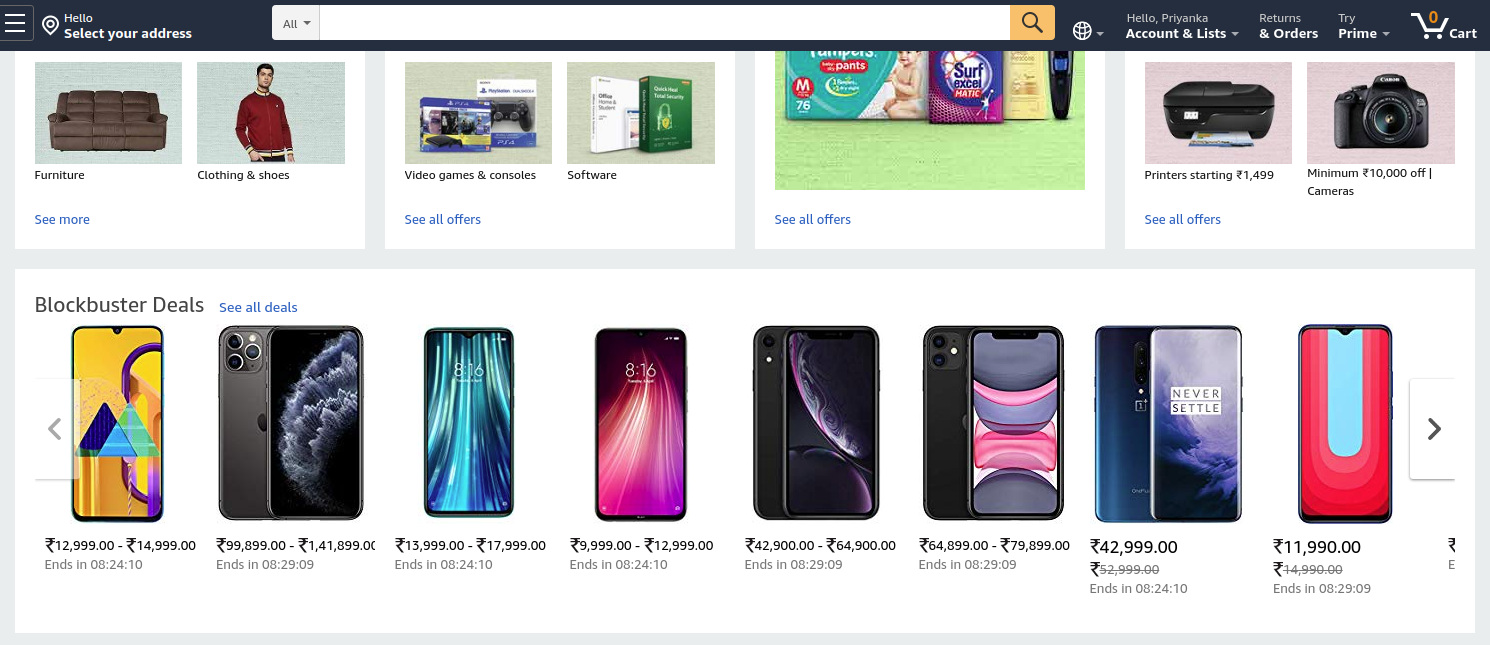
Amazon homepage screenshot

Amazon, targets every single individual via personalization. Whenever a user selects a particular category to browse more, they get redirected to the same page in the next visits.

2. Location-based personalization

It’s easy to customize products based on location as it improves the shopping experience. It even helps to display campaigns based on the user’s location.

Most e-commerce sites know where the user is coming from and where they want their products to get shipped. They use this valuable information to get more accurate results.

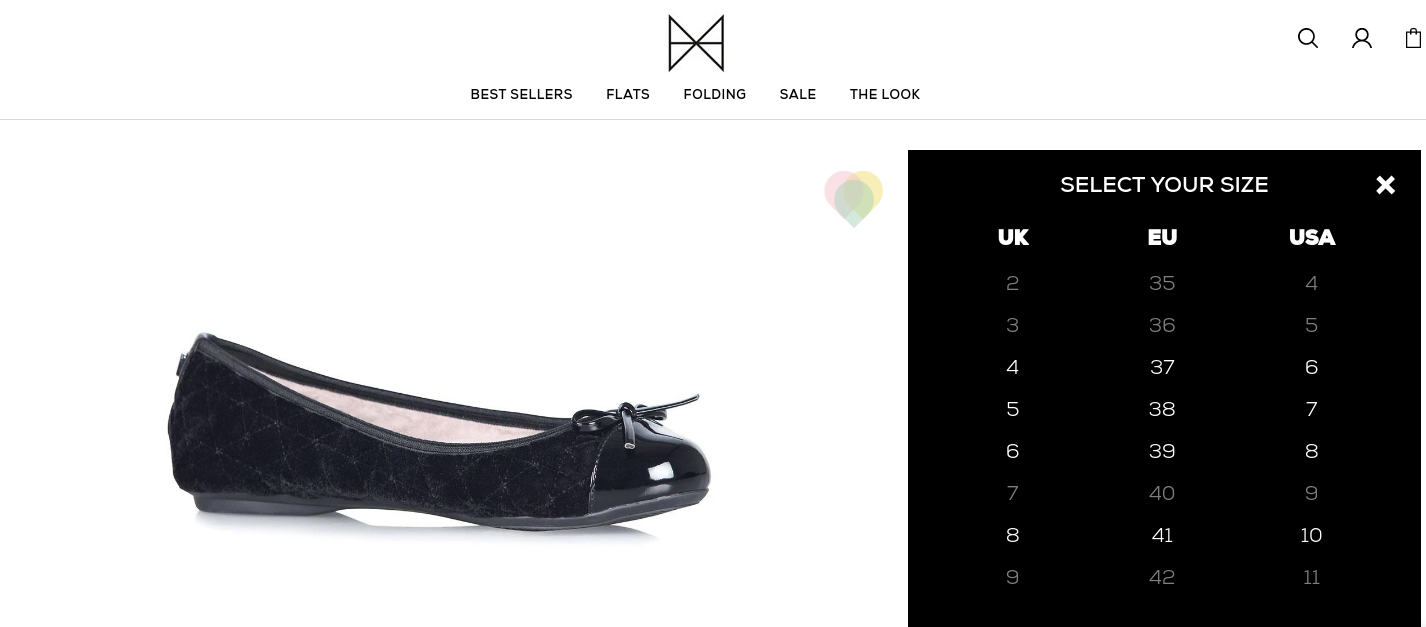
Here is an example of a Butterfly twist that lets its users get the look and feel as if they are shopping at some native place.

screenshot of an eCommerce website

Butterfly twists pull the IP address of the users and personalise product page according to the location. For example if your user is from America, it will set the default page to American sizes and currency.

There is a limitation to this practice. Companies must not force customers to view products on a country-specific site. As a user, it gets really annoying when the website keeps redirecting when you’ve specifically chosen to explore a different location than your own.

Websites need to understand that people are not always buying for themselves and they can choose to explore some other regions, otherwise what’s the point of the Internet.

3. Integrate User-Generated content

User-generated content is another dimension for increasing sales on an e-commerce store.It gives customers a chance to review the details of the product before making final payment.

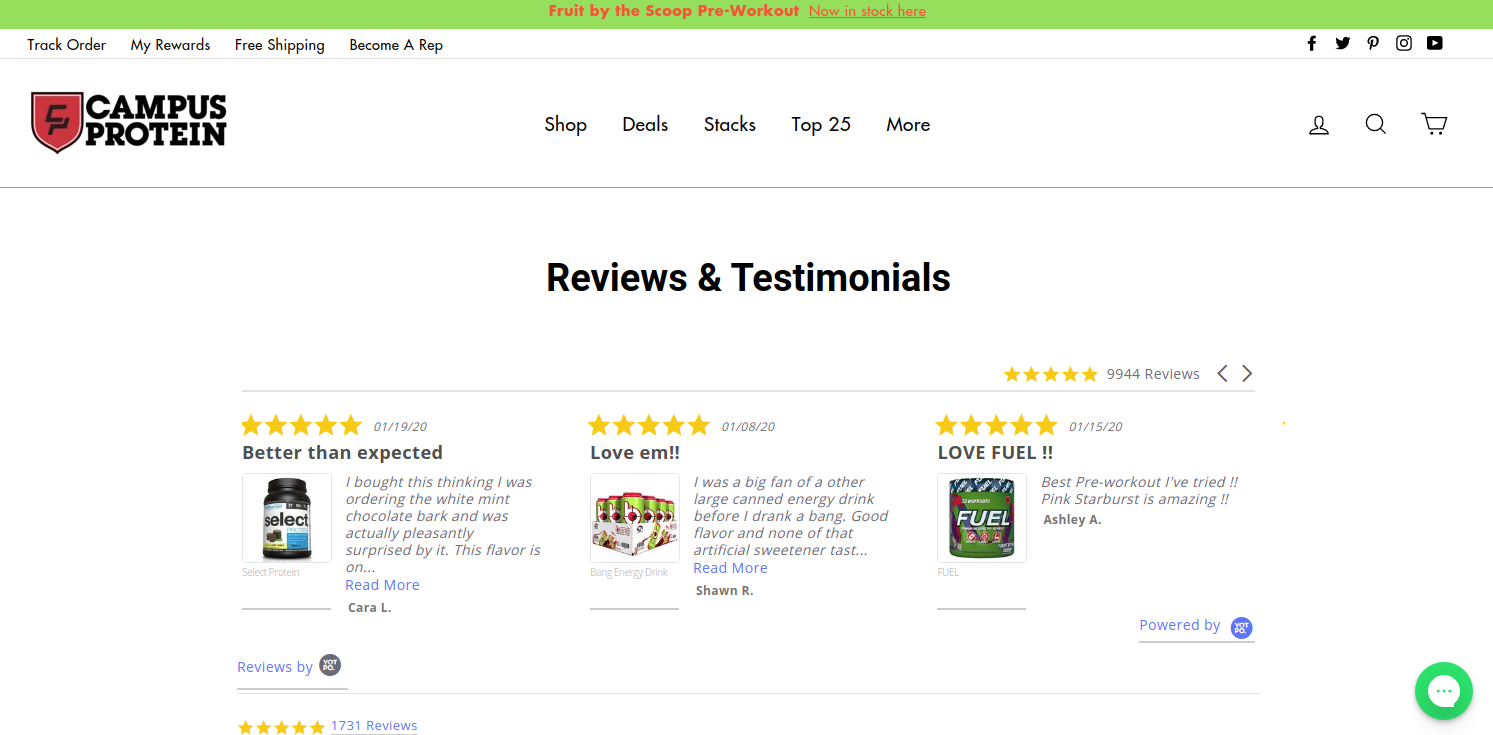
User review screenshot of an ecommerce website

Yotpo’s benchmark study found that on an average conversion rate of the customers who saw UGC is 166% times higher than those who don’t.

Campus protein uses the UGC on the website so that users can add ratings to the entire product catalog. It even displays the carousel of Instagram inspired UGC at the bottom of the site to reveal the user’s likes and dislikes for the products.

4. Create an array of recently viewed items

Generally, most of the users browse through a company’s site to see the products that are in trend.

Although users trust their memory, they still fail to recall all the products they saw the day before. This is why they look for some sort of help from the store.

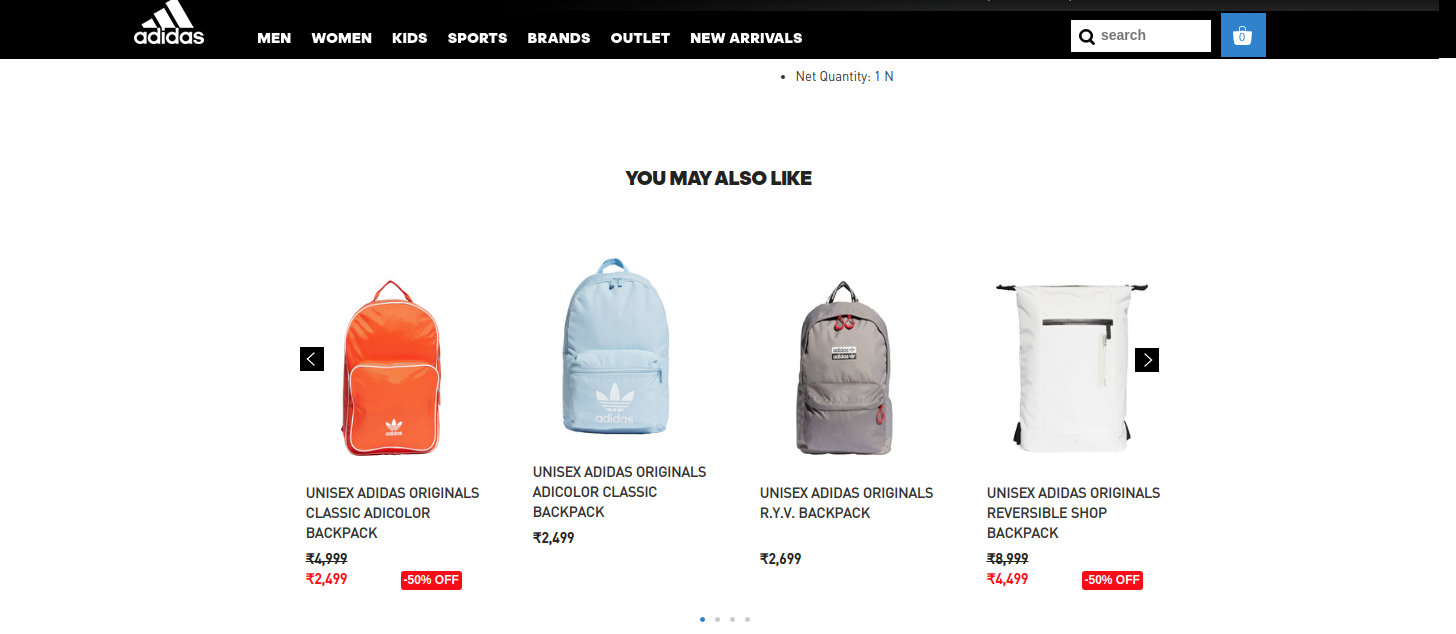
Adidas website screenshot of recently viewed items

Adidas wins an impressive score in recommending products and creating awareness. It uses attribute based and collaborative filtering to convert customers and help them select the right running shoe.

5. Reaffirm user choices with Social Proof notifications

It’s a new way to personalize your e-commerce store. It helps you send real time notifications and other relevant updates to your customers.

Many organizations are using this technology to provide relevant and contextual information about the product and the company.

Picture of a McD store from outside

McDonald’s have been using a similar strategy to boost conversions for years. It updates its website’s marquee to show how many people they have served till date. This strategy attracts potential customers towards the quality brand trusted by millions of people. It is not a real time notification variety but it achieves the same goal.

6. Create urgency with timed social retargeting

It is often seen that if a customer doesn’t like the products or is not willing to purchase anything, they leave the site or else jump to another one. It gets difficult to retain them once they bounce to find better options.

In such scenarios, social retargeting helps promote products wisely. Spending on customers who are less likely to buy is like wasting resources. Thus, companies must select their target after thorough analysis.

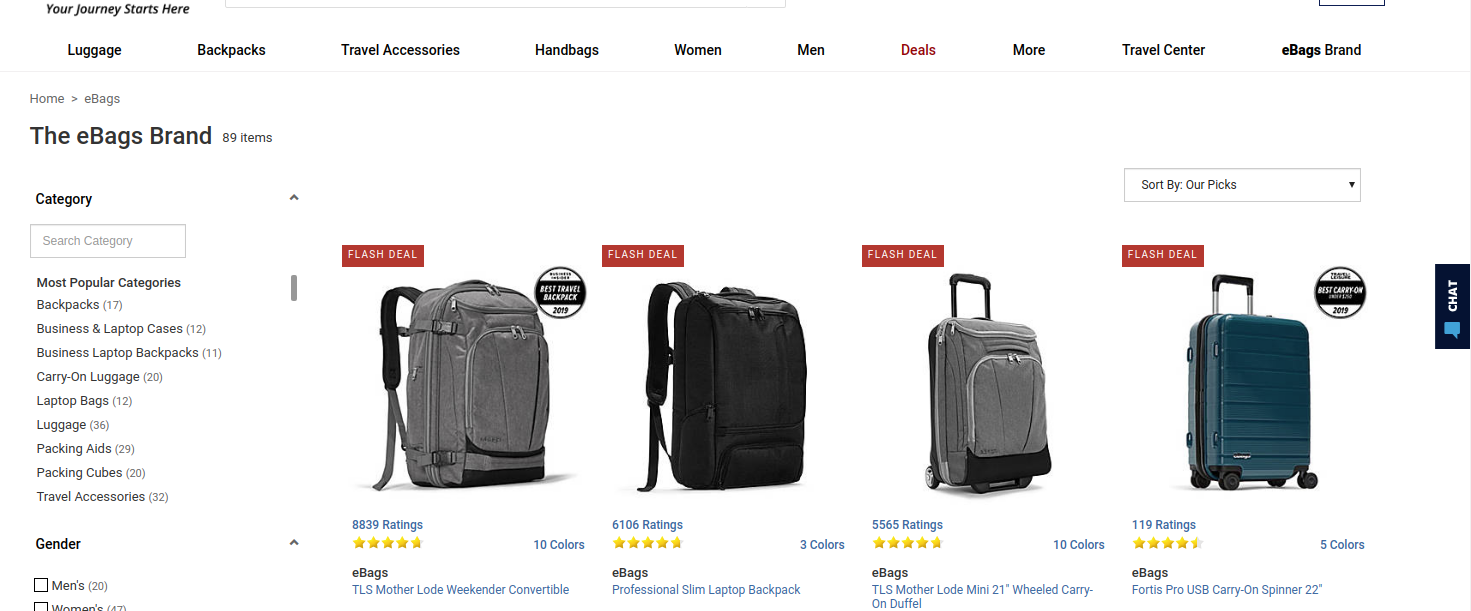
Screenshot of a ecommerce website

e-bag is a perfect example of social retargeting. It uses this concept to offer ideas for the backpacks through retargeted ads to all those who have seen or viewed the products before.

7. Help them with style guides or assistants

In addition to UGC, almost every shopper needs a personal assistant to take them to the best match for their taste. But it would probably break the bank. Moreover, it’s not possible with an e-commerce site.

But onsite assistance with quizzes and style guides can do the needful. It would help them to make better buying decisions. This is what e-commerce stores are doing.

E-commerce stores are creating a personalised wardrobe for every user who answers questions related to taste, choice, style and budget. The best thing about it is that it regularly updates the user’s wardrobe with new products and informs them about it through mails.

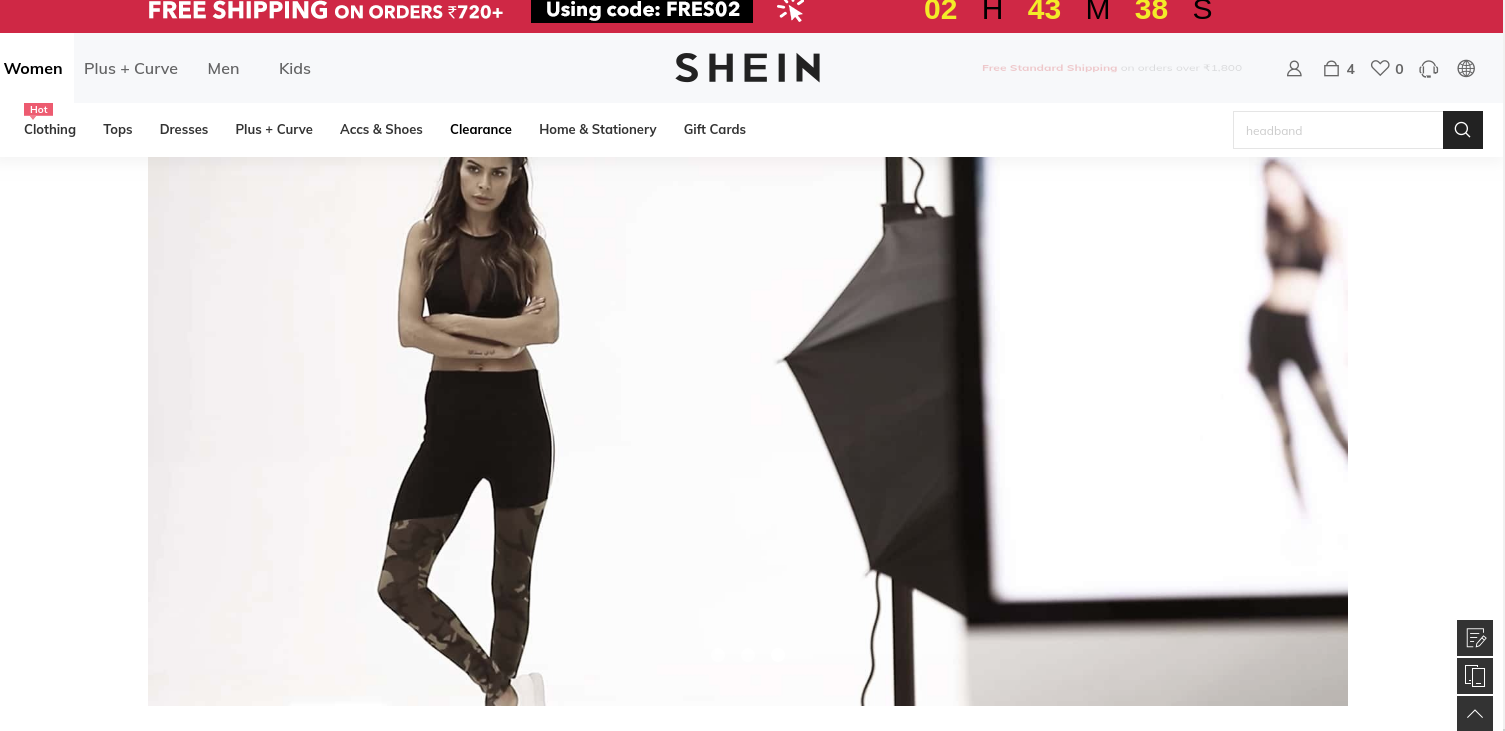
Screenshot of SheIn ecommerce website

Shein went a step ahead in personalized recommendations. This step does more than offering a size chart. It helps users discover new products and styles. They even feature live shows where stylists come and talk about the attire they are wearing. It helps users to get to know about the product which they are thinking of buying.

Wrap up

Aligning all the above mentioned strategies on your ecommerce store can help you to:-

  • Reduce friction
  • Increase engagement
  • Retain customers
  • Boost conversions

After reading something just as this piece might motivate you to redesign your website but adding small but useful elements wherever possible will work just as efficiently as possible. It will help you in enhancing customer shopping experience on a large scale.

If you’re thinking of getting the max out of your product promotions and customer visits and don’t know where to start then get in touch with our e-commerce experts here.